
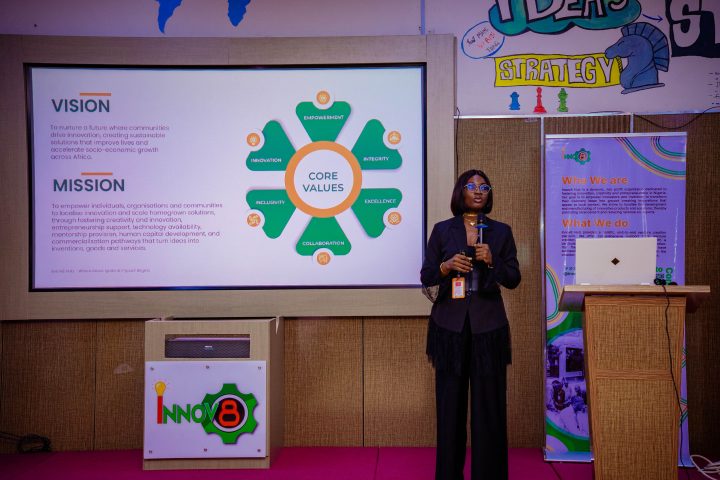
There is a different kind of learning that happens when you are given the opportunity to build something from the ground up. You don’t have the comfort of an established structure, a well-defined process, or someone else’s blueprint to follow. You have to figure things out as you go, make decisions with limited precedent, learn from what doesn’t work and, in the process, develop a relationship with what you are building.
I have had the privilege of building brand teams for two different organisations, First Icon Group and Innov8 Hub. In both organisations, I stepped into environments where the brand function needed to be established and developed. These experiences have taught me a lot about branding, communications, strategy, structure and problem-solving, but one of the biggest lessons has been about ownership at work.
Interestingly, I don’t mean ownership in the literal sense. Neither organisation is mine. I am not the founder, and I don’t own the businesses. What I have experienced is something closer to professional or psychological ownership: the feeling of responsibility and investment that develops when you have contributed your time, ideas and energy to building something and watching it take shape.
What Does Ownership at Work Really Mean?
When we talk about ownership in the workplace, it can sometimes sound like another way of saying that employees should take on more responsibility. But I have come to understand it differently.
For me, ownership at work is about becoming invested in the outcome of what you do, rather than simply completing the task assigned to you. It means understanding why the work matters, how it connects to the larger objectives of the organisation, and what you can contribute beyond simply checking a task off a list.
That distinction became much clearer to me when I started building brand functions.
When you are working within an established function, there is usually a structure to work with. There are existing processes, expectations, systems, and precedents. When you are building a function, many of those things don’t exist yet. You have to determine what the function should look like, where it should sit within the organisation, what processes are necessary and, sometimes, convince people of the value the function can bring in the first place.
That experience changes how you see your role. You can no longer think only about what you have been asked to do. You have to start thinking about what the organisation actually needs.
Building a Brand Function Requires More Than Executing Tasks
Building a brand team taught me that brand management is much broader than creating social media posts, designing graphics, or planning campaigns. Those things are part of the work, but they are not the entirety of it.
A brand function has to think about how an organisation presents itself, how its products, services, programmes and achievements are communicated, how its people represent the organisation, how different audiences experience its communication, and how the organisation’s story fits within the larger ecosystem in which it operates.
The more I understood the organisations I was working with, the more connected I became to what they were trying to achieve.
That is when the nature of the work started to change for me. Instead of asking only, “What am I supposed to do?” I found myself asking, “What does this organisation need from the brand function right now?”
That second question requires a different level of engagement because it forces you to look beyond the immediate task and understand the bigger picture. It also changes the decisions you make.
You begin to think about whether a campaign actually supports the organisation’s objectives rather than simply whether it looks good. You begin to question whether a message is clear enough for the intended audience rather than simply whether the copy is grammatically correct. You begin to think about whether an organisation’s communication reflects what it actually stands for rather than simply whether its visual identity is consistent.
That, to me, is where brand management becomes strategic.
Why Building Something Makes You Invested in the Vision
Perhaps the most interesting part of building a brand from scratch is how quickly the work can become personal, even when the organisation itself isn’t yours. When you spend time understanding an organisation’s vision, solving problems around it, developing systems, shaping its communication and watching the work evolve, you naturally become invested in its success.
You start noticing things that could be better. You think about opportunities that could help the organisation communicate more effectively. You become interested in how people perceive the organisation and how that perception can be strengthened. You begin to care about things you didn’t create.
I think that is one of the less discussed aspects of professional ownership. You don’t have to be the founder or the owner of a company to become deeply invested in its vision. Sometimes, contributing meaningfully to something is enough to create that connection.
For me, building the brand teams at First Icon Group and Innov8 Hub reinforced that idea. The more responsibility I had for building the function, the more I understood that the work was not simply about producing communication materials. I was contributing to how these organisations presented themselves, communicated their value and were understood by the people they wanted to reach.


Ownership is Not the Same as Doing Everything
There is, however, a trap that can come with taking ownership at work. It is easy to confuse ownership with doing everything yourself. I don’t think that is what professional ownership should mean.
Taking ownership does not mean having no boundaries, accepting every responsibility, or making yourself indispensable to an organisation. It means caring about the outcome enough to contribute meaningfully to achieving it.
There is a difference between saying, “That’s not my job,” and understanding that something falls outside your direct responsibility but still asking, “Is there something I can do to help move this forward?”
There is also a difference between taking responsibility and taking control.
When you care deeply about something you are building, it can be difficult when someone changes your direction, rejects an idea, or decides to approach the work differently. You may have invested significant time and thought into what you created, so it can feel as though the decision is also a rejection of your contribution.
But building has taught me that ownership should create responsibility, not entitlement.
You can care deeply about the work and still accept that you are not the final decision-maker. You can build a system and accept that someone else may eventually improve it. You can advocate strongly for an idea and still recognise that another direction may be what the organisation needs.
That is an important distinction because the things we build at work are ultimately part of something bigger than us.
Building a Brand Can Teach You How to Build Beyond Your Role
One of the things I value most about building a brand function is that it has forced me to think beyond the traditional boundaries of a marketing or communications role.
Building requires you to understand systems. It requires you to identify gaps, create processes, communicate internally, work with different teams, make decisions without always having complete information, and think about how today’s decisions will affect the organisation tomorrow.
Those lessons extend far beyond brand management. A designer can learn about strategy. A marketer can learn about operations. A communications professional can learn about organisational culture. A project manager can learn about stakeholder perception.
When you build something, you inevitably learn about the things surrounding it.
That is why I think building is such an important part of professional development. You don’t just become better at the function you were hired to perform. You develop a broader understanding of how organisations actually work.


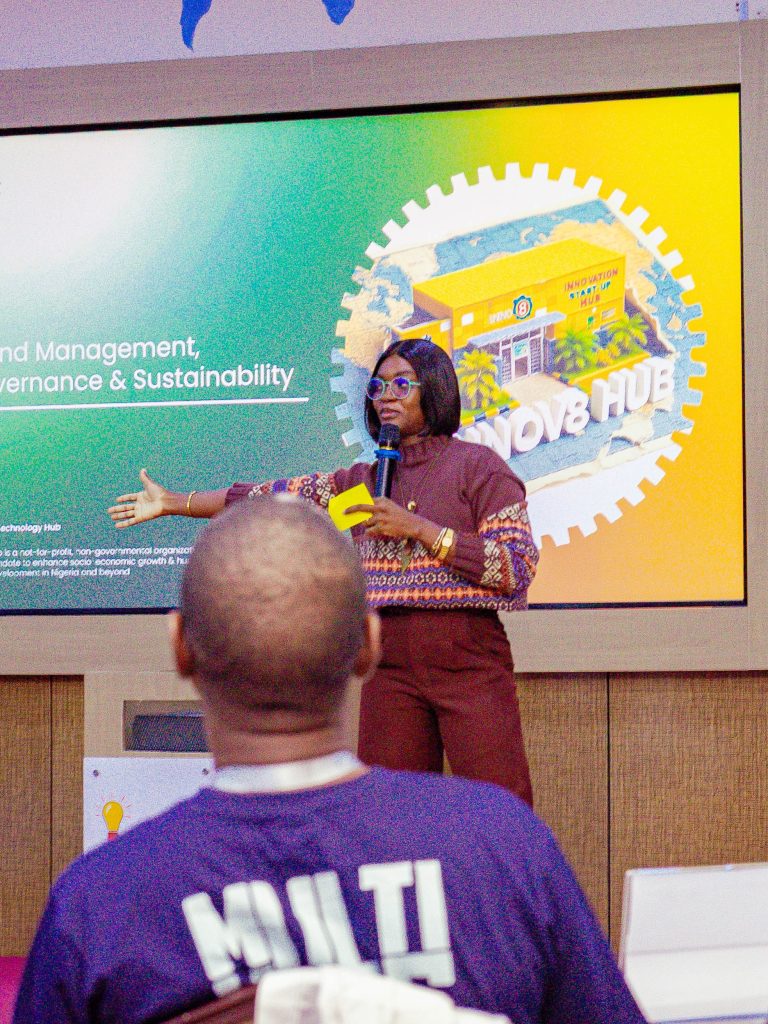
What Building Has Taught Me About My Career
Building these brand functions has also changed the way I think about my career. I no longer see every role simply as a position I occupy or a list of responsibilities I need to complete. I increasingly see each role as an opportunity to leave something better than I found it.
Sometimes that means creating a function that didn’t previously exist. Sometimes it means introducing a process that makes the work easier for the next person. Sometimes it means establishing a standard that improves communication quality across an organisation. And sometimes it simply means helping people understand the strategic value of something they previously saw as an operational task.
The outcome may not always have my name attached to it, and I have become increasingly comfortable with that. One of the best indicators that you have built something meaningful is that it can keep creating value beyond your personal involvement.
If the systems you created help the next person work better, if the standards you established continue to guide decisions, or if the function you helped build becomes stronger after you leave, then your contribution has done what it was supposed to do.
My Takeaway
I started out thinking I was building brand functions. Looking back, I realise I was also learning how to build systems, solve problems without a blueprint, take responsibility for outcomes, and become invested in a vision that was bigger than my individual role.
Building a brand from scratch taught me that you don’t have to own an organisation to care deeply about what happens to it. You don’t have to be the founder to become invested in its vision, and you don’t have to control something to make a meaningful contribution to it.
For me, ownership at work is ultimately about responsibility. It is about caring enough about your contribution to want to leave your part of the organisation better than you found it.
And perhaps that is one of the most valuable things building has taught me: you may not own what you build, but you can still take ownership of the work.